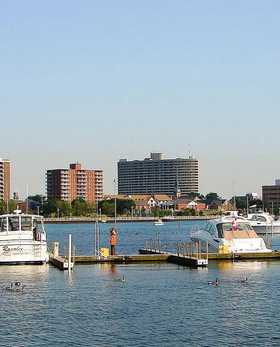
For one person, living costs in Sarnia are estimated at $2,002 a month, including rent and utilities, which take more than half of the total. Other living expenses average about $27 a day.
Real prices from locals and on-the-ground checks – rent, groceries, transit and the daily extras. Here's what a month in Sarnia actually costs, broken down by who's living it.
A single person spends around $2,002 per month with rent, or $832 for everyday expenses alone.
$2,002 /mo
A couple spends around $2,788 per month with rent, or $1,408 for everyday expenses alone.
$2,788 /mo
A family of three spends around $3,574 per month with rent, or $1,985 without housing.
Midsize Hatchback 1.4l(Volkswagen Golf, Toyota Prius, Honda Civic, etc)
$27.4KCA$38.7K
$27.4KCA$38.7K
$27.4KCA$38.7K
Compact Sedan 1.6l(Toyota Corolla, Mazda3, Kia K4, Hyundai Elantra, etc)
$18.8KCA$26.6K
$18.2KCA$25.7K
$19.2KCA$27.1K
🧾 Monthly Utilities & Internet
Cost
Range
Utilities for 2 People in 2-bedroom Apartment(Heating, Electricity, Gas, Water, Garbage)(85m2)
$138CA$196
$111CA$157
$209CA$295
SIM Card Monthly Plan(Calls and 10GB+ Data)
$29.32CA$41.45
$17.75CA$25.09
$85.2CA$120
Internet(50+ Mbps, Unlimited Data)
$45.42CA$64.2
$31.45CA$44.46
$69.9CA$98.8
🎉 Sport & Entertainment
Cost
Range
Gym Membership(Monthly)
$23.76CA$33.59
$14.25CA$20.15
$35.64CA$50.4
Tennis Court(1 Hour on Weekend)
$17.73CA$25.06
-
Cinema Ticket
$11.50CA$16.26
$9.83CA$13.89
$17.55CA$24.81
🧸 Childcare & Education
Cost
Range
Preschool or Kindergarten, Full Day, Private, 1 Child(Monthly)
$349CA$494
$342CA$484
$720CA$1,018
International Primary School, 1 Child(Yearly)
$15.8KCA$22.3K
$12.8KCA$18.0K
$16.6KCA$23.4K
👕👟 Clothing & Footwear
Cost
Range
Jeans(Levis 501 Or Similar)
$55.3CA$78.2
$21.38CA$30.23
$85.6CA$121
Summer Dress(H&M, Zara, etc)
$29.75CA$42.05
$13.93CA$19.69
$41.80CA$59.1
Sport Shoes(Adidas, Nike)
$74.0CA$105
$31.46CA$44.47
$129CA$183
Men's Leather Business Shoes
$73.0CA$103
$28.29CA$40.00
$141CA$200
🏠 Accommodation & Living
Cost
Range
1-bedroom Apartment, City Center(Monthly)
$1,342CA$1,897
$1,004CA$1,419
$1,731CA$2,447
1-bedroom Apartment, Outside City Center(Monthly)
$1,032CA$1,459
$925CA$1,308
$1,139CA$1,610
3-bedroom Apartment, City Center(Monthly)
$2,432CA$3,438
$2,065CA$2,919
$2,822CA$3,989
3-bedroom Apartment, Outside City Center(Monthly)
$1,451CA$2,052
$1,399CA$1,978
$1,504CA$2,126
💵 Salaries & Financials
Cost
Range
Average Monthly Net Salary(After Tax)
$3,061CA$4,327
-
20-Year Fixed Mortgage Interest Rate(Annual %)
5.09
4.45
8
CityCost data is based on AI and user input – minor inaccuracies may occur.
Last update: October 12, 2026
Monthly budget structure
Share of the monthly basket for one person, rent included.
Share of the monthly basket for a family of three, rent included.
Sarnia$2,002
Sarnia$3,574
🏠Accommodation & Living
$1K 51.5%
🛒Groceries & Markets
$310 15.5%
🍽Eating Out
$219 10.9%
🧾Monthly Utilities & Internet
$213 10.7%
👕👟Clothing & Footwear
$104 5.2%
🚌Getting Around
$77 3.8%
🎉Sport & Entertainment
$47 2.3%
🏠Accommodation & Living
$1.5K 40.6%
🛒Groceries & Markets
$712 19.9%
🍽Eating Out
$667 18.7%
🧾Monthly Utilities & Internet
$243 6.8%
👕👟Clothing & Footwear
$232 6.5%
🚌Getting Around
$158 4.4%
🎉Sport & Entertainment
$111 3.1%
Cost Breakdown
🏠A one-bedroom apartment in the city center costs around $1,342, dropping to $1,032 outside central areas. Housing accounts for roughly 44% of the average salary ($3,061) – well above the 30% international benchmark.
💰The average net salary is $3,061 – comfortably above monthly costs of $2,002. Most workers can save and live well. A comfortable lifestyle typically starts at $3,003.
🛒Groceries cost around $310 per month for one person. A mid-range dinner for two is priced at $45.00.
🚌A monthly public transport pass costs about $56.7.
Cost Highlights
⭐Gym membership is cheaper than 95% of cities in North America
⭐Cappuccino is cheaper than 95% of cities in North America
Cost of Living in Sarnia - Frequently Asked Questions
How does the overall affordability in Sarnia stack up for travelers, expats, and digital nomads, and who tends to find good value here?
Compared with larger Ontario cities, Sarnia tends to feel more approachable for long stays and short visits alike. You’ll notice a calmer pace, shorter commutes, and opportunities to live near the lake without the premium price tag often seen in bigger centers. For travelers, expats, and digital nomads, the appeal is practical: steadier housing options, local services, and a community that supports work-life balance. Cost of Living in Sarnia is shaped by a regional economy anchored by industry, healthcare, and education, with services that stay reasonable as you explore. Tip: Start with a short-term rental to test neighborhoods before committing.
What does daily life look like in Sarnia for housing, groceries, transit, and getting work done – where to search for a place and how to handle errands?
Daily life in Sarnia is built around a small-city rhythm with easy access to the lake, parks, and a handful of neighborhoods that offer distinct feels. For housing, you’ll find a mix of apartments and older homes that typically suit cautious budgets, especially if you search beyond the downtown core. Food options range from reliable supermarkets to growing local markets and cozy cafes. Transport is practical – driving is common, buses connect key areas, and cycling is pleasant along the water. For errands and co-working, map out a compact area you can live near. Sarnia living cost remains manageable when you cook at home and shop locally. Tip: Build a 2–3 week test itinerary to compare neighborhoods.
How can you frame a budgeting plan for Sarnia that supports your lifestyle, including seasonal changes and neighborhood fit?
Quality of life in Sarnia comes from balance, seasonality, and neighborhood fit. Create a simple budgeting framework: categorize housing, utilities, groceries, transit, and leisure; set flexible targets and track deviations monthly. Winter heating and summer cooling can shift costs, so plan for off-peak energy use and layered clothing. Neighborhoods near the lake offer walkability and social scenes, while north-end areas may be quieter and more family-friendly. Save tips: cook at home, buy in-season produce, and take advantage of free outdoor activities at the waterfront. When choosing a place, test access to workspaces, grocery stores, and transit routes at different times of day. Tip: Prioritize a neighborhood that shortens your daily errands and keeps you near essential services.
Is rent in Sarnia too high relative to local incomes?
Housing in Sarnia takes a heavy bite – about 44% of a typical income, which is above the 30% international benchmark. That squeezes the budget for everything else and is one of the main pain points for residents here.
What are typical monthly expenses for a single person in Sarnia?
All in, Sarnia runs about $2,002 monthly with rent, or $832 without it. These numbers assume a moderate lifestyle – comfortable but not lavish. Choosing a cheaper neighborhood and cooking at home are the easiest ways to spend less.
What is the average net income after taxes in Sarnia?
After taxes, the average worker in Sarnia takes home about $3,061 per month. Of course, that varies a lot by industry and experience – tech and finance pay well above this, while service jobs often fall below it.
Are apartments reasonably priced in Sarnia?
Rent in Sarnia is middle-of-the-road – 1-bedroom apartments fall between $1,032 and $1,342 per month. Not cheap, not outrageous, with reasonable options across most neighborhoods.
How expensive is preschool in Sarnia per month?
Private kindergarten in Sarnia costs about $349 per month – a big number for families. Prices vary by curriculum and whether you go local or international. Public options are cheaper where they exist, but waitlists can be long.
How much is a monthly gym pass in Sarnia?
Expect to pay about $23.76 per month for a gym in Sarnia – on par with the regional average. That typically gets you weights, cardio machines, and group classes. Boutique studios, yoga centers, and personal trainers charge extra.
Does $3,000 cover living expenses in Sarnia?
$3,000 is below the $2,002 average in Sarnia, so it's tight but not impossible. You'll need to keep rent low – sharing an apartment, cooking at home, and sticking to public transport are the main levers.
Why do digital nomads choose Sarnia?
Sarnia has become a go-to for digital nomads thanks to fast internet. At around $2,002 monthly all-in, the value is strong for the infrastructure and lifestyle you get. Coworking spaces, solid internet, and a growing international crowd make remote work here both productive and social.