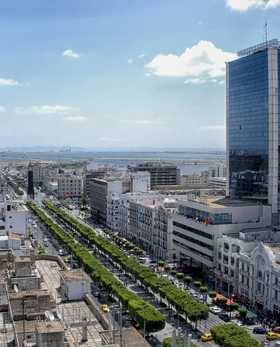
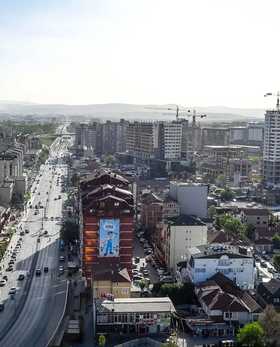
For one person, living costs in Nairobi are estimated at $862 a month, including rent and utilities – 21% above the national average. Rent and utilities take about a third of the total.
Real prices from locals and on-the-ground checks – rent, groceries, transit and the daily extras. Here's what a month in Nairobi actually costs, broken down by who's living it.
A single person spends around $862 per month with rent, or $587 for everyday expenses alone.
$862 /mo
A couple spends around $1,408 per month with rent, or $992 for everyday expenses alone.
$1,408 /mo
A family of three spends around $1,953 per month with rent, or $1,397 without housing.
$1,953 /mo
📊
Overall, Nairobi is 31–36% below the global median across household types. Within Africa, costs are close to average – just 5% lower.
Midsize Hatchback 1.4l(Volkswagen Golf, Toyota Prius, Honda Civic, etc)
$19.2KKES 2.5M
$18.4KKES 2.4M
$23.0KKES 3.0M
Compact Sedan 1.6l(Toyota Corolla, Mazda3, Kia K4, Hyundai Elantra, etc)
$21.6KKES 2.8M
$19.0KKES 2.5M
$26.6KKES 3.4M
🧾 Monthly Utilities & Internet
Cost
Range
Utilities for 2 People in 2-bedroom Apartment(Heating, Electricity, Gas, Water, Garbage)(85m2)
$56.2KES 7,284
$38.69KES 5,016
$232KES 30.1K
SIM Card Monthly Plan(Calls and 10GB+ Data)
$15.08KES 1,955
$7.66KES 994
$23.00KES 2,982
Internet(50+ Mbps, Unlimited Data)
$34.96KES 4,532
$23.10KES 2,995
$46.20KES 5,990
🎉 Sport & Entertainment
Cost
Range
Gym Membership(Monthly)
$50.1KES 6,492
$19.14KES 2,481
$76.6KES 9,924
Tennis Court(1 Hour on Weekend)
$15.22KES 1,973
$7.60KES 986
$22.82KES 2,959
Cinema Ticket
$7.83KES 1,015
$6.26KES 812
$11.75KES 1,523
🧸 Childcare & Education
Cost
Range
Preschool or Kindergarten, Full Day, Private, 1 Child(Monthly)
$249KES 32.3K
$92.5KES 12.0K
$462KES 60.0K
International Primary School, 1 Child(Yearly)
$12.2KKES 1.6M
$6,491KES 841.5K
$22.9KKES 3.0M
👕👟 Clothing & Footwear
Cost
Range
Jeans(Levis 501 Or Similar)
$28.28KES 3,667
$10.85KES 1,407
$54.2KES 7,032
Summer Dress(H&M, Zara, etc)
$28.81KES 3,736
$15.28KES 1,981
$61.1KES 7,923
Sport Shoes(Adidas, Nike)
$68.6KES 8,900
$22.67KES 2,939
$136KES 17.6K
Men's Leather Business Shoes
$58.3KES 7,560
$34.49KES 4,471
$115KES 14.9K
🏠 Accommodation & Living
Cost
Range
1-bedroom Apartment, City Center(Monthly)
$447KES 57.9K
$232KES 30.0K
$695KES 90.1K
1-bedroom Apartment, Outside City Center(Monthly)
$219KES 28.4K
$117KES 15.1K
$389KES 50.5K
3-bedroom Apartment, City Center(Monthly)
$1,113KES 144.3K
$764KES 99.1K
$1,528KES 198.1K
3-bedroom Apartment, Outside City Center(Monthly)
$500KES 64.8K
$381KES 49.4K
$763KES 98.9K
Buy Apartment in City Center(m2)
$1,323KES 171.5K
$1,284KES 166.5K
$2,321KES 300.9K
Buy Apartment Outside City Center(m2)
$894KES 115.9K
$678KES 87.9K
$1,692KES 219.3K
💵 Salaries & Financials
Cost
Range
Average Monthly Net Salary(After Tax)
$478KES 61.9K
-
20-Year Fixed Mortgage Interest Rate(Annual %)
14.71
9
19
CityCost data is based on AI and user input – minor inaccuracies may occur.
Last update: October 17, 2026
Monthly budget structure
Share of the monthly basket for one person, rent included.
Share of the monthly basket for a family of three, rent included.
Nairobi$862
Nairobi$1,953
🏠Accommodation & Living
$219 25.4%
🛒Groceries & Markets
$206 23.9%
🍽Eating Out
$125 14.5%
🧾Monthly Utilities & Internet
$106 12.3%
👕👟Clothing & Footwear
$83 9.6%
🎉Sport & Entertainment
$66 7.6%
🚌Getting Around
$58 6.7%
🏠Accommodation & Living
$500 25.6%
🛒Groceries & Markets
$461 23.6%
🍽Eating Out
$423 21.7%
🧾Monthly Utilities & Internet
$121 6.2%
👕👟Clothing & Footwear
$184 9.4%
🎉Sport & Entertainment
$147 7.5%
🚌Getting Around
$117 6%
Cost Breakdown
🏠A one-bedroom apartment in the city center costs around $447, dropping to $219 outside central areas. Housing accounts for roughly 94% of the average salary ($478) – well above the 30% international benchmark.
💰The average net salary is $478 – below monthly costs of $862. Most locals rely on shared housing or dual incomes. Remote workers earning abroad will find stronger purchasing power.
🛒Groceries cost around $206 per month for one person. A mid-range dinner for two is priced at $35.00 – broadly in line with the African average.
🚌A monthly public transport pass costs about $45.32 – above the African average of $30.00.
Cost Highlights
⭐Gym membership is more expensive than 91% of cities in Africa
⭐Public transport monthly pass is more expensive than 91% of cities in Africa
Popular online taxi apps offering convenient, cashless rides in many countries, including Uber, Bolt, Grab, inDrive, DiDi, Careem, Gojek, Maxim, and Yango
Cost of Living in Nairobi - Frequently Asked Questions
How does Nairobi, Kenya compare in terms of overall affordability for travelers, expats, and digital nomads?
Overall, Nairobi offers a workable mix of value and variety for travelers, expats, and digital nomads. Essentials like groceries, transit, and casual dining can be affordable in many neighborhoods, while central business districts and upscale expat enclaves tend to be pricier. The Cost of Living in Nairobi, Kenya is highly dependent on where you stay and how you spend – short-term stays in shared spaces beat boutique hotels, and local markets can cut daily costs when you shop with a sense of seasonality. Square footage and security considerations influence rent more than you might expect. Tip: plan a few core neighborhoods you like and test how tasks – commuting, coworking, groceries – fit your daily rhythm.
What does daily life look like in Nairobi for budgeting and practical living – housing search, food options, transport, coworking spots, and errands?
Daily life centers on a mix of markets, mid-range eateries, and robust transit options. For housing, look beyond the formal leases: many expats start with short-term stays while scouting neighborhoods, then settle in places that balance safety, access to amenities, and price. Food choices range from affordable local bowls to international cafes. Co-working spaces are plentiful in business districts and growing pockets of shared offices in outer areas; commuting by matatu or ride-hailing is common but plan for variability. Nairobi living cost shifts with distance from the center and seasonality of travel demand. Tip: Test housing options across seasons and map your commute to balance time and cost.
Which neighborhoods fit different lifestyles in Nairobi, and what budgeting framework or saving tips help plan longer stays?
Neighborhood fit depends on your pace and routines. If you need easy access to cafes, coworking, and nightlife, central districts and uphill suburbs near the riverbank can fit a social rhythm; for more quiet, leafy outskirts offer space and lower rents. Build a practical budget using a simple framework: list essentials (housing, groceries, transport), then discretionary spends (eat out, activities), then savings and travel. Track seasonality in Nairobi, such as rainy periods or events that attract crowds, which can influence prices and availability. Tip: join a local expat or neighborhood group to test different districts before committing.
What is the average cost of living in Nairobi in 2026?
For 2026, a single person in Nairobi should plan on about $862 per month with rent, or $587 without housing. That covers a moderate lifestyle – food, utilities, transport, and some leisure – at current local prices.
Is Nairobi worth the cost of living?
Nairobi is mid-range – monthly costs with rent reach about $862. For most residents, that's a fair trade: urban amenities, services, and job access without major-hub prices.
What is the average salary in Nairobi?
After taxes, the average worker in Nairobi takes home about $478 per month. Of course, that varies a lot by industry and experience – tech and finance pay well above this, while service jobs often fall below it.
Is rent high in Nairobi?
Rent is one of the biggest advantages of living in Nairobi – 1-bedroom apartments range from $219 to $447 per month, and even central neighborhoods stay accessible on modest incomes. Cheap housing frees up cash for everything else.
Is food expensive in Nairobi?
Grocery spending in Nairobi lands around $206 per month for one person – not cheap, not expensive. Local produce and staples are fairly priced, though imported goods and specialty items cost more. Overall, food is a manageable part of the budget.
How much is public transport in Nairobi?
Getting around Nairobi by public transport costs about $45.32 per month. A monthly pass generally covers buses, trams, and metro – much cheaper than owning a car for the daily commute.
Can a person live on $1,000 monthly in Nairobi?
$1,000 is below the $862 average in Nairobi, so it's tight but not impossible. You'll need to keep rent low – sharing an apartment, cooking at home, and sticking to public transport are the main levers.
Is Nairobi good for digital nomads?
Digital nomads flock to Nairobi for good reason: vibrant nightlife, remote work facilities, digital nomad infrastructure. Monthly costs land around $862 depending on your setup – strong value for the connectivity and quality of life you get. Coworking spaces and nomad-friendly cafés round out the appeal.
How affordable is Nairobi?
Nairobi is neither cheap nor expensive – it sits comfortably in the middle. Monthly costs with rent run about $862, a figure most working professionals can handle without major financial stress.
Is Nairobi good for backpackers?
Nairobi is doable for backpackers, though it takes more planning than cheaper destinations. Monthly costs average $862, so daily spending is moderate. Hostels, local food, and public transport keep things in check, but attractions and nightlife can push costs up.