Cost of Living in Dura - Frequently Asked Questions
Is Dura, Palestine a good value overall, and who tends to benefit most from living there?
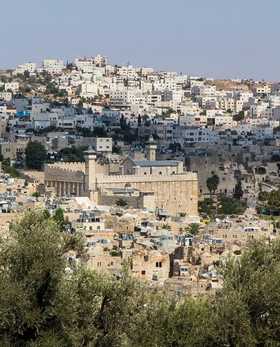
Cost of Living in Dura, Palestine tends to offer a balanced blend of small-town ease and access to larger city services. For travelers, expats, and digital nomads, the town feels practical rather than flashy, with reasonable everyday costs for groceries, meals, and local services. Housing choices range from compact apartments to shared setups, often with sensible rent relative to location and size. Public transport links, walkable streets, and nearby markets help you control daily expenses, while occasional seasonal spikes in imported goods can affect comfort more than cost. Overall, you may find it good value if you prioritize stability and proximity to historic surroundings over luxury. Tip: Start with a flexible budget and compare a couple of neighborhoods before you settle.
What does daily life look like in Dura, Palestine, including housing search, food options, transport, and errands?
Daily life in Dura, Palestine blends a calm rhythm with practical options for everyday needs. In housing search, you’ll find modest apartments and shared housing in or near the old town, with rents that reflect size and proximity to markets rather than gleaming towers. Food options range from neighborhood markets to small eateries offering local staples. For transport, walking and shared taxis can cover most distances, while private cars are less common but feasible. Co-working spots or cafe spaces exist, and errands are simple if you stay near the center. Dura, Palestine living cost stays manageable when you shop seasonal produce and plan meals around available specials. Tip: Map out a week’s routes to minimize backtracking and save time.
What quality-of-life factors, budgeting frameworks, and neighborhood fit should you consider for Dura, Palestine, including seasonality and saving strategies?
Quality of life in Dura, Palestine hinges on balance between pace, safety, and access to essentials. A practical budgeting framework centers on separating fixed necessities (housing, utilities, groceries) from flexible spends (eating out, errands, travel). In practice, you adapt as seasons shift, such as hotter months affecting energy use or market crowds during holidays. To find the right neighborhood, consider walkability, proximity to markets, and quiet evenings. Seasonal changes influence shopping hours and energy needs, so stay attuned to local rhythms. Tip: Start with a simple, reusable checklist to compare neighborhoods and track your actual costs as you go.