For one person, living costs in Rarotonga are estimated at $1,101 a month, including rent and utilities – 30% below the national average. Rent and utilities take about half of the total.
Real prices from locals and on-the-ground checks – rent, groceries, transit and the daily extras. Here's what a month in Rarotonga actually costs, broken down by who's living it.
Living costs for one person come to about $1,101 monthly including rent, or $549 excluding housing.
$1,101 /mo
Estimated monthly costs for a couple: $1,543 with rent, or $916 without housing.
$1,543 /mo
Monthly costs for a family of three come to about $1,985 including rent, or $1,282 for daily expenses alone.
$1,985 /mo
📊
Rarotonga sits 19–30% below the global median across household types. Within Oceania, costs are well below average (42% lower) – one of the most affordable options in the region.
Midsize Hatchback 1.4l(Volkswagen Golf, Toyota Prius, Honda Civic, etc)
$11.3KNZ$19.9K
-
🧾 Monthly Utilities & Internet
Cost
Range
Utilities for 2 People in 2-bedroom Apartment(Heating, Electricity, Gas, Water, Garbage)(85m2)
$98.4NZ$174
$84.3NZ$149
$112NZ$199
SIM Card Monthly Plan(Calls and 10GB+ Data)
$47.12NZ$83.3
$27.88NZ$49.30
$66.4NZ$117
Internet(50+ Mbps, Unlimited Data)
$101NZ$179
$82.2NZ$145
$111NZ$197
🏠 Accommodation & Living
Cost
Range
1-bedroom Apartment, City Center(Monthly)
$452NZ$800
-
1-bedroom Apartment, Outside City Center(Monthly)
$453NZ$802
-
3-bedroom Apartment, City Center(Monthly)
$670NZ$1,186
-
3-bedroom Apartment, Outside City Center(Monthly)
$605NZ$1,070
$550NZ$972
$660NZ$1,167
💵 Salaries & Financials
Cost
Range
Average Monthly Net Salary(After Tax)
$3,884NZ$6,869
-
CityCost data is based on AI and user input – minor inaccuracies may occur.
Last update: October 19, 2026
Monthly budget structure
Share of the monthly basket for one person, rent included.
Share of the monthly basket for a family of three, rent included.
Rarotonga$1,101
Rarotonga$1,985
🏠Accommodation & Living
$453 41.2%
🧾Monthly Utilities & Internet
$247 22.4%
🍽Eating Out
$220 20%
🛒Groceries & Markets
$151 * 13.7%
🚌Getting Around
$30 * 2.8%
Categories marked with * are only partly priced – their share counts the items that do have prices.
🏠Accommodation & Living
$605 30.5%
🧾Monthly Utilities & Internet
$294 14.8%
🍽Eating Out
$693 34.9%
🛒Groceries & Markets
$327 * 16.5%
🚌Getting Around
$66 * 3.3%
Categories marked with * are only partly priced – their share counts the items that do have prices.
Cost Breakdown
🏠Expect to pay about $452 for a central one-bedroom, or $453 outside the center. At 12% of the average salary ($3,884), housing is the biggest financial pressure.
💰Average take-home pay sits at $3,884, while typical expenses reach $1,101. This leaves solid room for saving and lifestyle spending.
🛒Expect to spend about $151 monthly on groceries. Dining out at a mid-range restaurant costs roughly $50.0 for two – broadly in line with the Oceanian average.
Cost Highlights
⭐Rarotonga has the 3rd cheapest fast food meal in Oceania
⭐Rarotonga has the 4th cheapest 3-bedroom apartment, city center in Oceania
⭐Rarotonga has the 4th cheapest 3-bedroom apartment, outside city center in Oceania
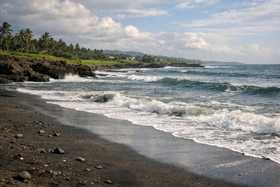
Ride waves using a surfboard — ideal for coastal towns with steady swells
Cost of Living in Rarotonga - Frequently Asked Questions
Is the Cost of Living in Rarotonga generally affordable, and who tends to find it good value?
Cost of Living in Rarotonga is approachable for many travelers, expats, and digital nomads who adapt to local rhythms. Core costs cluster around housing, groceries, and imported goods, with strong value in public markets and local eateries. Longer stays often unlock better rental terms, while some resort pockets push prices higher. Seasonal peaks exist around holidays and peak sailing weeks, but most day-to-day expenses stay reasonable if you cook at home, shop locally, and use budget-friendly transport. Tip: Start with a short exploratory stay to map neighborhoods and get a feel for pace before committing long-term.
What does daily life look like in terms of housing search, food options, transport, co-working, and errands?
Finding a place to stay in Rarotonga usually starts with short-term rentals in towns like Avarua or Muri before locking a longer-term lease. In daily life, groceries come from local markets, seafood is a highlight, and you can balance meals with affordable options. For transport, a scooter or compact car is common; roads are good, and a circumnavigation is easy in a few hours. Co-working spaces exist for remote work, and errands are straightforward with a local SIM and a planned shopping list. Rarotonga living cost can feel manageable when you spread out activities through the week. Tip: Map a couple of neighborhoods and test the vibe before committing.
What budgeting strategies and neighborhood considerations help you maximize quality of life in Rarotonga, considering seasonality?
Quality of life here rewards planning and flexibility. A straightforward budgeting framework works: set a monthly cap for housing, groceries, and transport, and leave a buffer for dining, activities, and occasional trips. Seasonality affects crowds and opportunities; the dry season sunshine draws more travelers and services to stay open longer, while the wet season can shift routines. For neighborhood fit, sample Avarua’s urban pulse and the calmer beach areas like Muri to match your work style and social life. Save by cooking, buying from local markets, and choosing a place with reliable internet. Tip: Keep a small emergency fund for spontaneous day trips or repairs.
Is Rarotonga expensive to live in?
Everyday life in Rarotonga is moderately priced at about $1,101 per month, rent included. Groceries and transport stay reasonable, though dining out and entertainment can feel a bit pricier than in budget destinations.
What percentage of income goes to rent in Rarotonga?
With 12% of the average paycheck going to rent, Rarotonga is on the expensive side for housing. Many locals cope by sharing apartments, moving to outer neighborhoods, or downsizing to keep things manageable.
Can you save money on an average salary in Rarotonga?
At $3,884 take-home, most residents in Rarotonga can cover the $1,101 monthly cost of living. Those earning $1,651 or more have room to save; below-average earners will find things noticeably tighter.
What are typical rents in Rarotonga?
Where you live in Rarotonga makes all the difference. Central one-bedrooms cost about $452; commute-friendly outer districts come in around $453. Overall, the market runs from $453 to $452 depending on size, location, and apartment condition.
What is a typical grocery budget in Rarotonga?
Expect to spend around $151 per month on groceries in Rarotonga. Neither cheap nor expensive by global standards – everyday items are fairly priced, though imported or specialty products cost more.
Is food expensive in Rarotonga?
At about $151 monthly, food costs in Rarotonga sit in moderate territory. A mix of local markets and supermarkets covers most needs at fair prices, and most residents eat well without having to pinch pennies.
Can a person live on $1,000 monthly in Rarotonga?
Living on $1,000 in Rarotonga means careful planning, since monthly costs average $1,101. It works with a cheap apartment and disciplined spending, but expect trade-offs on where you live, how often you eat out, and entertainment.
Can you retire comfortably in Rarotonga?
Retirees thrive in Rarotonga – living costs average around $1,101 monthly, healthcare is affordable and accessible, and the overall vibe supports a fulfilling, low-stress retirement.
Can you save money living in Rarotonga?
Monthly expenses in Rarotonga run around $1,101, so putting money aside takes more than $1,651 in income. Keeping housing costs low and avoiding lifestyle creep are the keys to building a decent savings rate here.