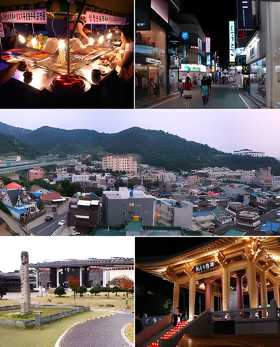
For one person, living costs in Gwangju are estimated at $1,329 a month, including rent and utilities – 15% below the national average. Rent and utilities take more than a third of the total.
Real prices from locals and on-the-ground checks – rent, groceries, transit and the daily extras. Here's what a month in Gwangju actually costs, broken down by who's living it.
Living costs for one person come to about $1,329 monthly including rent, or $756 excluding housing.
$1,329 /mo
Estimated monthly costs for a couple: $2,038 with rent, or $1,273 without housing.
$2,038 /mo
Monthly costs for a family of three come to about $2,747 including rent, or $1,790 for daily expenses alone.
$2,747 /mo
📊
Gwangju sits about 3% below the global median. Within Asia, costs are 25% above average – pricier than most cities in the region.
Midsize Hatchback 1.4l(Volkswagen Golf, Toyota Prius, Honda Civic, etc)
$28.0K₩37.3M
$28.0K₩37.3M
$29.2K₩38.9M
Compact Sedan 1.6l(Toyota Corolla, Mazda3, Kia K4, Hyundai Elantra, etc)
$35.3K₩46.9M
$35.3K₩46.9M
$35.3K₩46.9M
🧾 Monthly Utilities & Internet
Cost
Range
Utilities for 2 People in 2-bedroom Apartment(Heating, Electricity, Gas, Water, Garbage)(85m2)
$210₩279.5K
$189₩251.3K
$261₩346.6K
SIM Card Monthly Plan(Calls and 10GB+ Data)
$43.76₩58.2K
$11.30₩15.0K
$52.0₩69.1K
Internet(50+ Mbps, Unlimited Data)
$21.18₩28.2K
$15.13₩20.1K
$26.47₩35.2K
🎉 Sport & Entertainment
Cost
Range
Gym Membership(Monthly)
$51.7₩68.7K
$23.99₩31.9K
$59.8₩79.5K
Tennis Court(1 Hour on Weekend)
$11.71₩15.6K
$7.32₩9,739
$11.71₩15.6K
Cinema Ticket
$11.25₩15.0K
$9.76₩13.0K
$12.00₩16.0K
🧸 Childcare & Education
Cost
Range
Preschool or Kindergarten, Full Day, Private, 1 Child(Monthly)
$300₩399.0K
$300₩399.0K
$300₩399.0K
International Primary School, 1 Child(Yearly)
$17.9K₩23.8M
$11.1K₩14.8M
$23.1K₩30.7M
👕👟 Clothing & Footwear
Cost
Range
Jeans(Levis 501 Or Similar)
$31.74₩42.2K
$26.14₩34.8K
$37.34₩49.6K
Summer Dress(H&M, Zara, etc)
$26.01₩34.6K
$22.30₩29.7K
$29.73₩39.5K
Sport Shoes(Adidas, Nike)
$63.6₩84.5K
$52.4₩69.6K
$89.8₩119.3K
Men's Leather Business Shoes
$88.6₩117.8K
$59.1₩78.5K
$148₩196.4K
🏠 Accommodation & Living
Cost
Range
1-bedroom Apartment, City Center(Monthly)
$495₩657.9K
$403₩536.0K
$586₩779.7K
1-bedroom Apartment, Outside City Center(Monthly)
$363₩482.7K
$300₩399.5K
$451₩599.2K
3-bedroom Apartment, City Center(Monthly)
$1,164₩1.5M
$892₩1.2M
$1,858₩2.5M
3-bedroom Apartment, Outside City Center(Monthly)
$747₩992.8K
$560₩744.6K
$801₩1.1M
Buy Apartment in City Center(m2)
$7,812₩10.4M
$3,662₩4.9M
$14.6K₩19.5M
Buy Apartment Outside City Center(m2)
$6,383₩8.5M
$3,755₩5.0M
$9,011₩12.0M
💵 Salaries & Financials
Cost
Range
Average Monthly Net Salary(After Tax)
$2,883₩3.8M
-
20-Year Fixed Mortgage Interest Rate(Annual %)
3.6
3.2
4
CityCost data is based on AI and user input – minor inaccuracies may occur.
Last update: October 12, 2026
Monthly budget structure
Share of the monthly basket for one person, rent included.
Share of the monthly basket for a family of three, rent included.
Gwangju$1,329
Gwangju$2,747
🏠Accommodation & Living
$363 27.3%
🛒Groceries & Markets
$308 23.2%
🧾Monthly Utilities & Internet
$275 20.7%
🍽Eating Out
$135 10.2%
👕👟Clothing & Footwear
$94 7.1%
🚌Getting Around
$79 5.9%
🎉Sport & Entertainment
$74 5.6%
🏠Accommodation & Living
$747 27.2%
🛒Groceries & Markets
$714 26%
🧾Monthly Utilities & Internet
$319 11.6%
🍽Eating Out
$438 15.9%
👕👟Clothing & Footwear
$210 7.6%
🚌Getting Around
$159 5.8%
🎉Sport & Entertainment
$160 5.8%
Cost Breakdown
🏠Expect to pay about $495 for a central one-bedroom, or $363 outside the center. At 17% of the average salary ($2,883), housing is the biggest financial pressure.
💰Average take-home pay sits at $2,883, while typical expenses reach $1,329. This leaves solid room for saving and lifestyle spending.
🛒Expect to spend about $308 monthly on groceries. Dining out at a mid-range restaurant costs roughly $34.00 for two – broadly in line with the Asian average.
🚌Public transport is priced at around $68.2 per month – above the Asian average of $33.00.
Cost Highlights
⭐Public transport monthly pass is more expensive than 94% of cities in Asia
⭐Average monthly net salary is higher than 94% of cities in Asia
⭐White bread is more expensive than 94% of cities in Asia
Art of beautiful handwriting and decorative lettering styles
Cost of Living in Gwangju - Frequently Asked Questions
How would you describe overall affordability for someone visiting or relocating to Gwangju?
Across a mix of neighborhoods you typically find value in mid-range housing, student-friendly eateries, and public transport that helps keep daily costs predictable. The Cost of Living in Gwangju, South Korea tends to be lower than in Seoul or Busan, especially for housing and dining outside tourist zones. You can balance comfort with savings by choosing guesthouses or smaller apartments in well-connected districts, cooking at home several days a week, and using buses and the light rail for longer trips. Seasonal pricing for accommodations may fluctuate around festival periods or university terms. Tip: Start with a neighborhood map and test a few days of transit before committing.
What does daily life look like here, from housing search to errands and getting around?
Daily life in Gwangju blends ease with opportunity. In housing, widen your search to both traditional apartments and guesthouses around universities or transit hubs, and check building insulation for seasonal comfort. Fresh markets and casual eateries keep meals affordable, while bulk cooking in a small kitchen stretches your budget. For transport, buses cover the city well and the rail network links key neighborhoods; a rechargeable card saves time and money. Co-working options cluster in central districts, with libraries and cafés offering reliable workspaces. For errands, plan around market days and neighborhood centers to minimize detours. Understanding the Gwangju, South Korea living cost helps tailor your route. Tip: Map out a weekly routine that minimizes backtracking.
How can you optimize your budget and find a neighborhood that fits your lifestyle in Gwangju?
Quality of life here hinges on balancing your time, workspace, and social scene without overcommitting. A simple budgeting framework helps: divide your expenses into housing, food, transport, and personal needs; track a few weeks to spot patterns, then adjust by choice of neighborhood and activity level. In Gwangju, you might prioritize central or university-adjacent areas for quick access to amenities and events, or opt for quieter outskirts for lower rents and more space. Seasonal shifts influence energy use and outdoor plans – consider air conditioning during hot months and rain gear during the monsoon. Tip: build in flexible weeks to swap co-working spots or neighborhoods as your rhythm changes.
How much of a salary does housing take in Gwangju?
With 17% of the average paycheck going to rent, Gwangju is on the expensive side for housing. Many locals cope by sharing apartments, moving to outer neighborhoods, or downsizing to keep things manageable.
How much does it cost to live in Gwangju per month?
Plan for roughly $1,329 a month in Gwangju if you're renting, or around $756 for non-housing expenses. That covers one person's basics: food, bills, getting around, and a modest social life. Couples and families will need more, especially for housing and childcare.
How much should you earn to live well in Gwangju?
Earning $1,993 monthly in Gwangju means you're living well – a one-bedroom, regular groceries, transport, and some entertainment without stress. That's the threshold where most residents feel genuinely comfortable rather than just getting by.
What is the price of renting a flat in Gwangju?
Rents for a 1-bedroom flat in Gwangju range from $363 to $495, depending on location and condition. Central apartments sit at the top of that range; outer neighborhoods and suburbs deliver noticeably better value per square meter.
What does commuting cost in Gwangju?
A monthly transit pass in Gwangju goes for roughly $68.2, which is one of the lighter items on a monthly budget. Coverage across residential and business areas is solid, and most residents without a car rely on it daily.
What are kindergarten prices in Gwangju?
Childcare averages $300 monthly at a private kindergarten in Gwangju. For many families, this single cost rivals rent, so it's essential to factor in before making a move.
Is $1,500 a month enough for Gwangju?
Living on $1,500 in Gwangju means careful planning, since monthly costs average $1,329. It works with a cheap apartment and disciplined spending, but expect trade-offs on where you live, how often you eat out, and entertainment.
What makes Gwangju attractive for remote workers?
Remote workers pick Gwangju for good reason: fast internet, low crime rates, all at about $1,329 per month including rent. It fits a wide range of remote salaries without compromising on comfort or connectivity.
Is it possible to save on a local salary in Gwangju?
Monthly expenses in Gwangju run around $1,329, so putting money aside takes more than $1,993 in income. Keeping housing costs low and avoiding lifestyle creep are the keys to building a decent savings rate here.