Cost of Living in Jimma - Frequently Asked Questions
Is Jimma a good value for money for travelers, expats, and digital nomads compared to other Ethiopian cities?
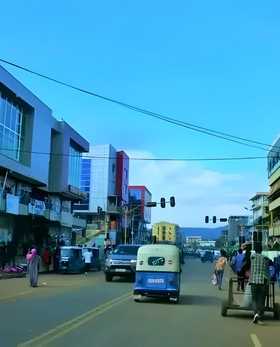
Jimma tends to offer good value for everyday needs, especially if you lean toward local markets and modest dwellings. Transportation and meals are generally economical when you choose street food, casual cafes, and shared housing rather than Western-style options. The key is to balance comfort and logistics: pick a practical neighborhood, and use public transit or walk where possible to keep costs predictable. Cost of Living in Jimma can feel affordable relative to larger cities, with variability by area and season. Tip: Start with a short, flexible stay in a couple of areas to test convenience and costs, then settle in a longer base.
What does daily life look like for a traveler or expat in Jimma, in terms of housing search, food options, transport, and coworking?
Daily life in Jimma centers on practical choices that fit your work and pace. Housing options range from simple apartments to guesthouses and shared rooms; filter by proximity to markets, banks, and reliable Wi-Fi when you search. Food options are diverse: lively markets, casual eateries, and home cooking via fresh ingredients can keep meals affordable and flavorful. For getting around, walking is doable in compact areas, with taxis or motorcycles as a flexible fallback. Co-working and cafe work can work well if you choose spots with steady power and decent wifi. Jimma living cost shapes what you can allocate to rent, food, and transport. Tip: test several neighborhoods for noise, safety, and access before choosing a base.
How can you gauge quality of life, budgeting, and neighborhood fit in Jimma to make a comfortable stay?
Quality of life comes from balance: clear budgeting, realistic expectations, and a sense of place. A simple framework is to allocate your income to three buckets: housing, daily groceries, and transport/essentials, plus a runway for occasional leisure. Consider seasonality: hotter or rainier periods can affect energy use and travel time, as well as cafe Wi-Fi reliability. Neighborhood fit matters for pace and access; near markets or universities you'll find more affordable options and social energy, while quieter outskirts suit focused work. Build a short list of neighborhoods, visit at different times of day, and test connectivity before you commit. Tip: set a flexible plan to re-evaluate every few weeks.