Cost of Living in Dorado - Frequently Asked Questions
Is Dorado generally a good value for travelers, expats, or digital nomads, and how does the overall affordability compare to nearby San Juan?
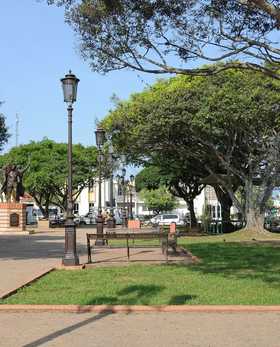
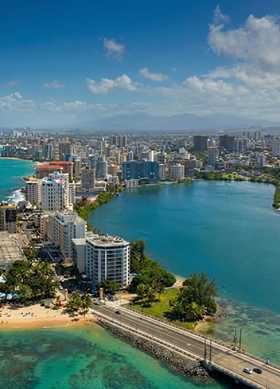
Dorado offers a mix of resort-like amenities and quiet residential streets, appealing to those who want beach access with a more relaxed pace than central San Juan. For many, the Cost of Living in Dorado, Puerto Rico reflects a balance between upscale housing clusters and practical daily expenses, which can feel favorable for longer stays if you pick the right neighborhoods. Walkable beachfront areas and gated communities often come with higher rent but better security and maintenance; inland options tend to be more wallet-friendly. Public services, healthcare access, and connectivity are solid for a small town close to the capital. Tip: Compare a few monthly housing scenarios to see how shelter, utilities, and groceries fit your routine.
What does daily life look like in Dorado for housing search, food options, transport, and getting work done?
Daily life blends coastal leisure with practical routines. Housing searches typically center on coastal condominiums and gated communities, with amenities that match a vacation vibe but require careful budgeting for annual maintenance fees or HOA dues. Food options range from fresh markets to casual eateries and seafood spots; you can shop locally for produce and support neighborhood eateries for better value. Transport is car-centric, with limited public transit, so plan for a car or rideshare; some coworking spots are available in nearby San Juan or Dorado proper. Factor in the Dorado, Puerto Rico living cost as you compare neighborhoods, seasons, and proximity to beaches. Tip: To stretch your budget, prioritize long-term leases and seasonal discounts.
How can you optimize quality of life on a budget, and what neighborhoods fit different lifestyles (beach, golf, family)?
Quality of life in Dorado depends on your neighborhood and routines. For a balanced budget, consider mixed-use areas near shops rather than resort fronts, and allocate funds for utilities, internet, and occasional dining out. Seasonality affects crowds and pricing; shoulder seasons offer quieter beaches and lower activity on weekends. If you prioritize safety, schools, and family-friendly parks, look at inland or gated communities with ongoing maintenance. Transportation usually centers on a car, with some walkability in core plazas and beachfront paths. Create a simple budgeting framework: housing, groceries, transport, and leisure; keep a small buffer for weekend trips to San Juan or other nearby beaches. Tip: Set a monthly cap for dining out to protect your core budget.