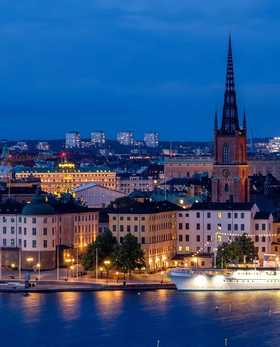
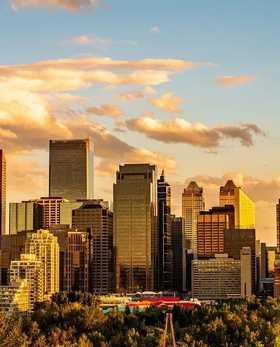
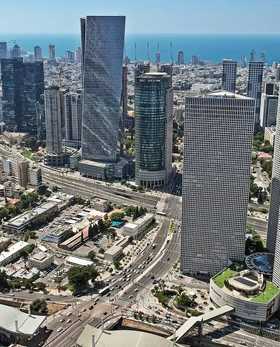
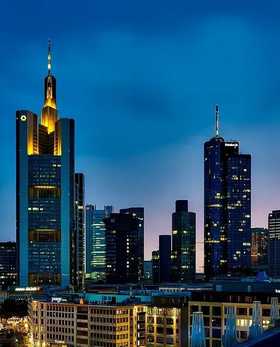
Solo nomad: Estimated monthly costs are $1,045 (excluding rent), and $2,562 including rent.
Family of 3: Estimated monthly costs are $2,525 (excluding rent), and $4,958 including rent.
Meal at Budget Restaurant
$12.20 $12.20
$35.58 $35.58
Three-Course Dinner for Two, Mid-Range
Fast Food Meal (McDonalds, etc)
$10.19 $10.19
$14.27 $14.27
Coke/Pepsi/Fanta/Sprite (0.33 liter bottle)
Water (0.33 liter bottle)
Local Beer (0.5 liter draught)
Imported Beer (0.33 liter bottle)
One-way Ticket (Public Transport)
Taxi Start (Normal Tariff)
Taxi (Normal Tariff) (1km)
Taxi 1hour Waiting (Normal Tariff)
$26.75 $26.75
$35.47 $35.47
Midsize Hatchback 1.4l (Volkswagen Golf, Toyota Prius, Honda Civic, etc)
$23.6K $23.6K
$35.9K $35.9K
Compact Sedan 1.6l (Toyota Corolla, Mazda3, Kia K4, Hyundai Elantra, etc)
$24.8K $24.8K
$26.9K $26.9K
Utilities for 2 People in 2-bedroom Apartment (Heating, Electricity, Gas, Water, Garbage) (85m2)
SIM Card Monthly Plan (Calls and 10GB+ Data)
Internet (50+ Mbps, Unlimited Data)
$49.29 $49.29
$98.6 $98.6
Jeans (Levis 501 Or Similar)
$30.11 $30.11
$80.3 $80.3
Summer Dress (H&M, Zara, etc)
$25.10 $25.10
$65.3 $65.3
Sport Shoes (Adidas, Nike)
Men's Leather Business Shoes
1-bedroom Apartment, City Center (Monthly)
$1,208 $1,208
$1,869 $1,869
1-bedroom Apartment, Outside City Center (Monthly)
3-bedroom Apartment, City Center (Monthly)
$2,005 $2,005
$3,008 $3,008
3-bedroom Apartment, Outside City Center (Monthly)
$1,705 $1,705
$2,507 $2,507
Buy Apartment in City Center (m2)
$1,986 $1,986
$2,801 $2,801
Buy Apartment Outside City Center (m2)
$1,861 $1,861
$2,415 $2,415