Cost of Living in Saue - Frequently Asked Questions
How does the cost of living in Saue, Estonia compare for travelers, expats, and digital nomads seeking good value?
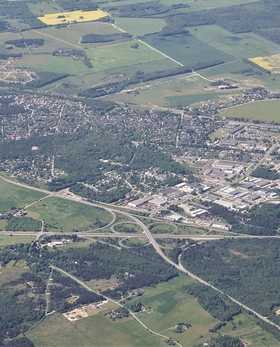
Saue sits close to Tallinn, offering a quieter pace with a similar access to services. The Cost of Living in Saue, Estonia tends to be gentler than in the capital while still keeping you connected to urban amenities. You may notice more space in housing options and easier scheduling for groceries, utility costs, and dining compared with busier city centers. Seasonal tourism can push some services during peak times, but overall prices stay stable. Neighborhoods near the train line or the town center offer a practical balance of price and convenience. Tip: renting a compact apartment or a shared space can stretch budgets without sacrificing convenience.
What does daily life look like in Saue for housing, food options, transport, and errands?
Daily life in Saue centers on a calm suburban rhythm with good transit links to Tallinn. Housing options range from compact apartments to small houses, often with yard space, at generally affordable relative values for the region. Local groceries and bakeries supply fresh, seasonal produce, with larger chains a short ride away. Public transport is straightforward, and cycling is feasible in good weather. For work or study spaces, you’ll find cozy co-working spots or cafes with reliable Wi‑Fi. Saue, Estonia living cost can feel budget-friendly if you plan a weekly shop and combo trips to Tallinn. Tip: map your weekly routes to cut back trips and time.
What factors influence your quality of life in Saue, and how can you budget for seasonal changes and neighborhood choices?
Quality of life in Saue hinges on proximity to nature, safety, and easy links to Tallinn. To budget effectively, use a simple framework: fixed costs (rent, internet, insurance), variable costs (groceries, transport), and discretionary spending. In winter, heating and electricity may lift bills, while summers invite more outdoor activities and occasional travel. Neighborhoods near the train station or forest edges offer different vibes and commuting times; consider access to groceries and healthcare when choosing. Practical tips include shopping at farmers' markets for fresh produce, consolidating errands to reduce trips, and trying flexible coworking days if you work remotely. Tip: set a monthly home and transport allowance and review quarterly.