French is commonly spoken or the national language
Cost of Living in Maroua - Frequently Asked Questions
How affordable is Maroua for travelers, expats, and digital nomads, and who tends to get good value here?
Maroua offers a practical balance of affordability and lifestyle that suits longer stays. Cost of Living in Maroua, Cameroon tends to be more approachable than in larger West African capitals, especially for local groceries, street meals, and casual housing. You’ll pay less for basic goods when you shop at markets and opt for local brands, while imported products and some services can push costs higher. Utility usage, shared accommodations, and longer-term rentals often yield the best value. Internet and coworking options vary by neighborhood, so you’ll benefit from testing a few spots before committing a workspace. Tip: compare neighborhoods, test internet, and set a monthly food budget to begin.
What does daily life look like in Maroua – from housing to food, transport, and coworking options?
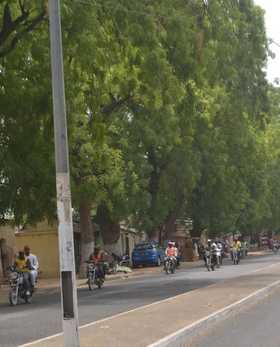
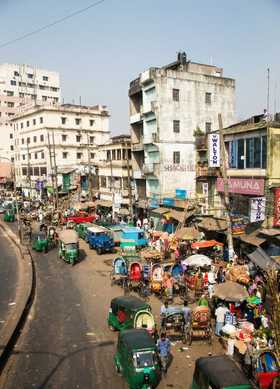
Daily life in Maroua blends local practicality with small comforts. Housing search usually yields modest options in quieter neighborhoods and around the central market; expect rents to favor longer leases and local landlords. Food comes alive at markets and hot-food stalls where you can eat well on a tight budget; supermarkets carry international staples at a premium. For transport, motorcycle taxis and shared taxis are common and affordable for short hops; walking is pleasant in cool mornings. Co-working spaces exist, plus cafes with reliable Wi‑Fi in some areas, but service reliability varies. Maroua, Cameroon living cost varies by district, so experiment with a few spots before committing. Tip: Build errands into your daily route to save time and tapping into local networks.
What helps you maintain a good quality of life, budget smartly, and fit into different neighborhoods seasonally?
Quality of life in Maroua rewards those who embrace pace and place. Create a simple budgeting framework: set aside housing, food, transport, and occasional experiences, then track weekly. Save by prioritizing local markets, cooking at home, and choosing durable goods over frequent takeouts. Seasonality affects what you buy: fresh produce shifts with rains, and heat drives outdoor activities early or late in the day. Neighborhood fit comes from proximity to markets, safe walking routes, and reliable internet for work. Explore a mix of central and quieter residential areas to balance access and noise, then rotate accordingly. Tip: choose a neighborhood that supports your daily routine and digital nomad needs.