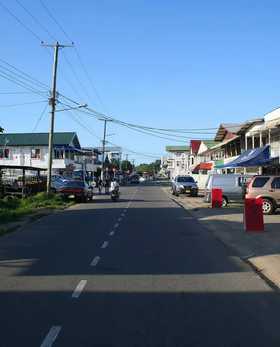
Cost of Living in Lelydorp - Frequently Asked Questions
Is Lelydorp affordable and good value for travelers, expats, and digital nomads compared with other nearby areas?
Compared with Paramaribo and other urban centers, Lelydorp offers a calmer pace and simpler costs, making it a solid value for short stays or longer bookings on a modest budget. Cost of Living in Lelydorp is typically lower for housing and daily staples, and a strong local market culture helps you stretch meals and essentials without sacrificing quality. You’ll find modest apartments, guesthouses, and rooms to rent rather than luxury options, with transport that is easy to navigate by bus or shared taxi. Tip: Plan day trips to nearby communities to balance pace and prices.
What does daily life look like in Lelydorp regarding housing, groceries, transport, coworking, and errands?
Daily life in Lelydorp balances a peaceful pace with practical access to essentials. Housing searches point to modest apartments or small houses in quiet streets near the town center, with rental terms that fit longer stays. Groceries come from markets and supermarkets, offering fresh produce and everyday staples. Transport is flexible: local buses, shared taxis, and bikes cover most trips to Paramaribo or around town. For remote work, café options with WiFi exist and there are occasional coworking spaces; errands cluster around the center for banks, post office, and pharmacies. Lelydorp living cost helps you budget. Tip: Build a simple weekly plan to align work hours with market days and transit schedules.
How can you optimize quality of life in Lelydorp through budgeting, seasonality, and neighborhood fit?
Quality of life in Lelydorp hinges on pace, access to nature, and reliable routines. A straightforward budgeting framework helps you balance housing, food, and transport: prioritize inexpensive meals from markets, set a weekly cap on discretionary spend, and allocate a dependable transit plan to avoid last minute taxis. Seasonality in Suriname means expect high humidity and occasional heavy rain bursts that shape outdoor plans, but indoor options and markets stay open. Neighborhood fit matters: central, tree lined streets feel safer and offer convenient access to amenities, while quieter outskirts give more space. Tip: experiment with two or three neighborhoods and track what saves time and money.