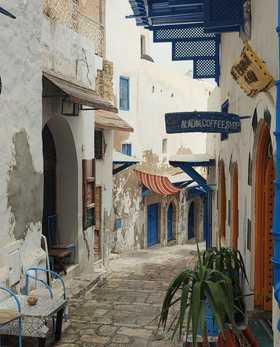
Solo nomad: Estimated monthly costs are $475 (excluding rent), and $708 including rent.
Family of 3: Estimated monthly costs are $1,201 (excluding rent), and $1,554 including rent.
Meal at Budget Restaurant
$2.14 ¥14.79
$5.12 ¥35.39
Three-Course Dinner for Two, Mid-Range
Fast Food Meal (McDonalds, etc)
$4.30 ¥29.74
$6.02 ¥41.62
Coke/Pepsi/Fanta/Sprite (0.33 liter bottle)
Water (0.33 liter bottle)
Local Beer (0.5 liter draught)
Imported Beer (0.33 liter bottle)
One-way Ticket (Public Transport)
Public Transport Monthly Pass (Regular Price)
Taxi Start (Normal Tariff)
Taxi (Normal Tariff) (1km)
Taxi 1hour Waiting (Normal Tariff)
Midsize Hatchback 1.4l (Volkswagen Golf, Toyota Prius, Honda Civic, etc)
$17.9K ¥123.8K
$21.0K ¥145.3K
Compact Sedan 1.6l (Toyota Corolla, Mazda3, Kia K4, Hyundai Elantra, etc)
$15.2K ¥105.3K
$20.8K ¥143.6K
Utilities for 2 People in 2-bedroom Apartment (Heating, Electricity, Gas, Water, Garbage) (85m2)
SIM Card Monthly Plan (Calls and 10GB+ Data)
Internet (50+ Mbps, Unlimited Data)
Jeans (Levis 501 Or Similar)
Summer Dress (H&M, Zara, etc)
Sport Shoes (Adidas, Nike)
Men's Leather Business Shoes
1-bedroom Apartment, City Center (Monthly)
1-bedroom Apartment, Outside City Center (Monthly)
3-bedroom Apartment, City Center (Monthly)
3-bedroom Apartment, Outside City Center (Monthly)
Buy Apartment in City Center (m2)
$2,985 ¥20.6K
$4,975 ¥34.4K
Buy Apartment Outside City Center (m2)
$1,451 ¥10.0K
$2,903 ¥20.1K