Cost of Living in Iganga - Frequently Asked Questions
How does affordability in Iganga, Uganda compare for travelers, expats, and digital nomads?
Iganga offers practical value for a town of its size, especially if you are balancing work and travel. Cost of Living in Iganga, Uganda sits at a modest level for everyday needs, with options that keep daily meals, laundry, and errands affordable if you shop local. Housing ranges from compact apartments to family homes in quieter neighborhoods, often with negotiable terms for longer stays. Utilities and internet are doable, though speed can vary by provider. Seasonal rains can affect transport and water use, so plan for minor adjustments in your routine. Tip: explore a few neighborhoods first, then lock in a longer-term place that fits your work and lifestyle.
What does daily life look like in Iganga, Uganda, from housing search to getting around, groceries, and coworking?
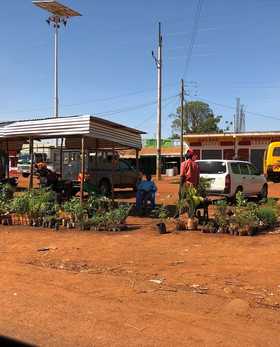
Daily life centers on simple routines you can tailor to a small-town rhythm. Housing searches go smoother when you start in the central town and widen to calmer residential pockets; negotiate longer leases where possible. For food, local markets and home cooking stretch your budget, while a few cafes offer reliable Wi-Fi if you need a coworking setup. Transport is flexible: bodas and minibus taxis cover most trips, and walking is pleasant for short hops. Errands are doable with shops, banks, and clinics within easy reach. Iganga, Uganda living cost remains favorable if you prioritize essential needs. Tip: Start with a flexible, low-commitment stay while you map out neighborhoods and routines.
Which neighborhoods fit your lifestyle, and what budgeting framework helps you save while exploring Iganga?
Quality of life in Iganga is characterized by a relaxed pace, friendly neighborhoods, and straightforward everyday needs. To budget effectively, set a simple framework: fix your rent, cover utilities, and allocate a flexible amount for food and transport, then review it weekly as you settle in. Seasonality matters: rains can slow errands and nudge prices for certain staples, so build a small buffer. Neighborhood fit matters too – central town gives quick access to markets and services, while quieter outskirts feel calmer but require transport planning. Practical savings come from cooking at home, buying seasonally, using public transport, and avoiding impulse shopping. Tip: Track your expenses in a simple journal and adjust as you discover what genuinely saves you time and money.